

IC&T Addresses the Growing Need for Spanish-Language Mining Safety Training
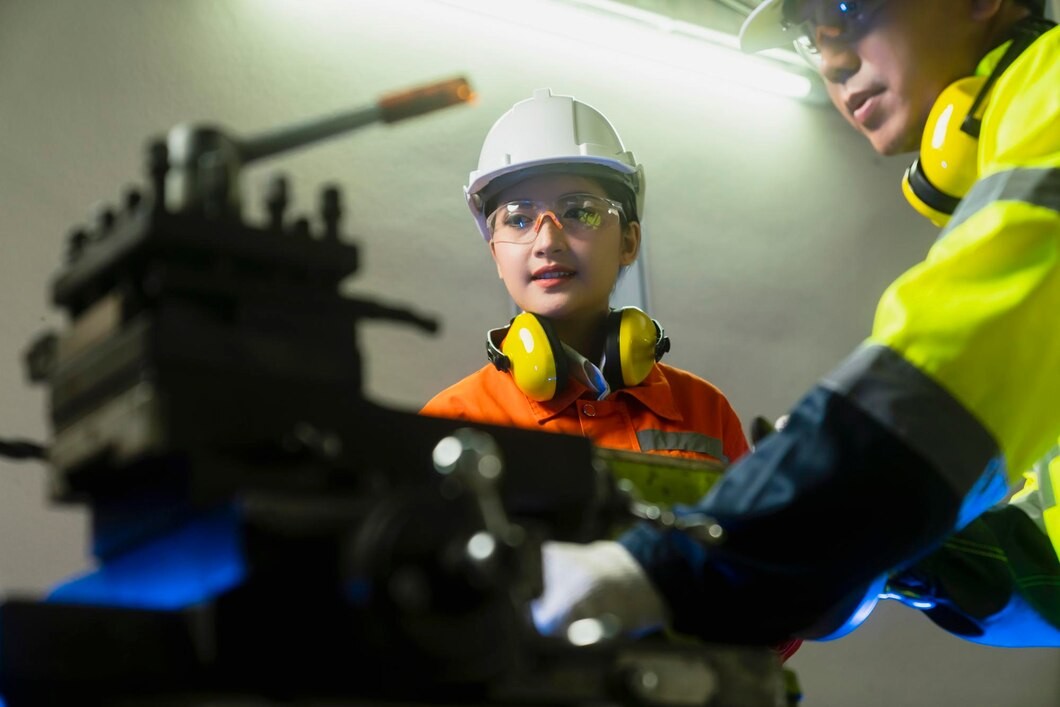
Spanish-language mining safety education

Mine Safety and Health Administration (MSHA) establishes training

Spanish-language new miner training

annual refresher training..
Industrial Consulting & Training LLC provides safety and compliance training for workers and organizations in mining, construction & related industrial sectors.
HIGHLAND, UT, UNITED STATES, November 3, 2026 /EINPresswire.com/ -- Industrial Consulting & Training LLC (IC&T) is addressing the growing need for Spanish-language mining safety education by offering training options designed to help Spanish-speaking miners understand workplace hazards, safety procedures, and federal compliance requirements. The initiative reflects the importance of delivering mine safety instruction in a language workers understand, with relevance to mining and industrial workforces in Houston, California, Utah, Colorado, Illinois, Nevada, and Alabama.Language Accessibility Remains a Key Issue in Mining Safety
Mining operations involve hazards that require workers to understand instructions, recognize unsafe conditions, and respond correctly during emergencies. These responsibilities depend on more than access to training materials. Workers must also understand the information presented to them and know how to apply it to their daily tasks.
English remains a common language for workplace communication across many U.S. industries. However, mining crews may include employees whose primary language is Spanish. When safety instruction is delivered only in English to workers who have limited English proficiency, important information may be misunderstood or missed entirely.
Language barriers can affect how workers interpret hazard warnings, follow emergency procedures, identify unsafe equipment, and communicate concerns to supervisors. These gaps may increase workplace risks, particularly in environments where quick decisions are necessary.
Spanish-language training helps address these challenges by presenting safety concepts in a language workers can understand. It can also support better communication between employees and supervisors, helping organizations build a more consistent approach to workplace safety.
MSHA Training Requirements and Language Comprehension
The Mine Safety and Health Administration (MSHA) establishes training requirements for miners working at covered mining operations. These requirements include training for new miners, experienced miners in applicable circumstances, and annual refresher instruction. The specific requirements depend on the type of operation and the worker's role.
Under federal mining safety regulations, training must be provided in a language and vocabulary that miners can understand. This requirement is important because completing a training session does not necessarily mean a worker has understood the information presented.
A Spanish-speaking miner may attend an English-language class but struggle to understand technical terms related to ground control, equipment operation, ventilation, or emergency response. Without clear comprehension, the worker may have difficulty applying the information correctly on the job.
Providing instruction in Spanish can help close this gap. It allows workers to learn key safety concepts in familiar language while developing a clearer understanding of their responsibilities under applicable MSHA requirements.
Employers should evaluate whether their training methods meet the needs of their workforce. They should also maintain the required training records and ensure that workers complete the instruction applicable to their positions and mining operations.
Spanish-Language Instruction for New Miners
New miners need a strong foundation before performing tasks in an active mining environment. Their initial training introduces them to workplace hazards, emergency procedures, safe work practices, and the responsibilities associated with their roles.
For Spanish-speaking employees, clear instruction is especially important during this early stage. They may be unfamiliar with the site's equipment, reporting procedures, or specific safety expectations. Language barriers can make these unfamiliar tasks even more challenging.
Spanish-language new miner training helps explain essential topics in a way that supports understanding. Workers can learn how to recognize hazards, report unsafe conditions, follow emergency instructions, and use appropriate protective equipment.
The training also helps establish the importance of communication. Miners must know whom to contact when they identify a risk and how to communicate concerns before an incident occurs.
By addressing these subjects in Spanish, employers can support a more informed start for employees who are still learning the demands of mining work.
Annual Refresher Training for Spanish-Speaking Miners
Safety knowledge must remain current after initial training. Mining conditions, work assignments, equipment, and site procedures can change over time. Annual refresher training provides an opportunity to review important safety practices and address relevant hazards.
Spanish-speaking miners need to understand refresher instruction just as clearly as they understand initial training. If the material is difficult to follow, workers may miss important updates or misunderstand procedures that affect their safety.
Spanish-language refresher sessions can cover applicable safety topics, lessons from workplace incidents, changes in site conditions, and other information required by the relevant training plan. The exact subjects depend on the operation and applicable MSHA requirements.
Refresher training also provides an opportunity to reinforce safe work habits. Workers can review how to identify hazards, communicate with team members, and respond when conditions become unsafe.
Employers should ensure that refresher instruction meets the requirements applicable to their operations and is delivered in a language and vocabulary miners can understand.
Online and In-Person Training Options
Training access can be challenging for mining companies with workers spread across different locations or operating on demanding schedules. Travel, shift arrangements, and production needs may affect when employees can attend classes.
Online and in-person training options can help organizations manage these scheduling demands. Online sessions allow workers to participate without traveling to a physical classroom, while in-person classes provide a traditional setting for instruction and direct interaction.
For Spanish-speaking miners, the delivery method is only one part of the process. The language used, the clarity of explanations, and the relevance of the material to actual job duties are equally important.
Online instruction should provide meaningful opportunities for workers to follow the material, ask questions, and clarify unfamiliar terms. Likewise, in-person training should allow participants to communicate with instructors and seek explanations when needed.
Neither format automatically guarantees understanding. Employers and training providers must consider whether the selected approach meets regulatory requirements and supports effective learning.
Regional Relevance Across Mining and Industrial Workforces
The need for accessible safety education extends across multiple U.S. regions. Mining, aggregate production, construction, and related industrial activities create ongoing demand for workers who understand job-specific hazards and required safety practices.
In Houston and other parts of Texas, industrial and construction operations may employ workers with different language backgrounds. California, Utah, Colorado, Illinois, Nevada, and Alabama also have mining and industrial workforces that may benefit from language-appropriate safety instruction.
In Houston and other parts of Texas, industrial and construction operations may employ workers with different language backgrounds. California, Utah, Colorado, Illinois, Nevada, and Alabama also have mining and industrial workforces that may benefit from language-appropriate safety instruction.
Organizations should assess the language needs of their employees rather than assume that all workers can understand technical instruction delivered in English. This assessment can help employers select appropriate training arrangements and identify areas where additional explanation may be necessary.
Employer Responsibilities Extend Beyond Course Completion
Employers play an important role in making sure mine safety training is effective. Selecting a course and documenting attendance are necessary administrative steps, but they do not replace the need to provide instruction workers can understand.
Companies should review the language abilities of their workforce, identify relevant training requirements, and confirm that the training plan addresses the hazards employees may encounter. They should also explain site-specific procedures and ensure workers know how to report unsafe conditions.
Supervisors can reinforce training by using clear instructions, checking workers' understanding of important procedures, and encouraging employees to ask questions. These steps can help identify communication gaps before they contribute to unsafe work practices.
Training records must also be maintained according to applicable requirements. Employers should verify that each worker completes the training required for their position and that the instruction meets relevant MSHA standards.
A consistent approach to language accessibility can support regulatory compliance while helping employees participate more fully in workplace safety efforts.
Supporting a More Informed Mining Workforce
Spanish-language mine safety education is an important consideration for employers with Spanish-speaking employees. Clear instruction helps workers understand hazards, recognize their responsibilities, and follow procedures designed to reduce workplace risks.
As mining companies continue to manage diverse workforces, language accessibility remains a practical part of training planning. Providing instruction in a language miners understand can improve the clarity of essential safety information and support communication across teams.
Online and in-person options can help employers address different scheduling and location needs. However, training must remain relevant to workers' duties, consistent with applicable regulations, and understandable to the people receiving it.
About Industrial Consulting & Training LLC
Industrial Consulting & Training LLC provides safety and compliance training for workers and organizations in mining, construction, and related industrial sectors. Its training offerings include MSHA-related instruction and other workforce safety programs, with online and in-person options available. The organization serves training needs across multiple U.S. regions, including Houston, California, Utah, Colorado, Illinois, Nevada, and Alabama.
Industrial Consulting & Training LLC
Industrial Consulting & Training LLC
+1 385-446-6577
Visit us on social media:
Instagram
Facebook
Legal Disclaimer:
EIN Presswire provides this news content "as is" without warranty of any kind. We do not accept any responsibility or liability for the accuracy, content, images, videos, licenses, completeness, legality, or reliability of the information contained in this article. If you have any complaints or copyright issues related to this article, kindly contact the author above.
